
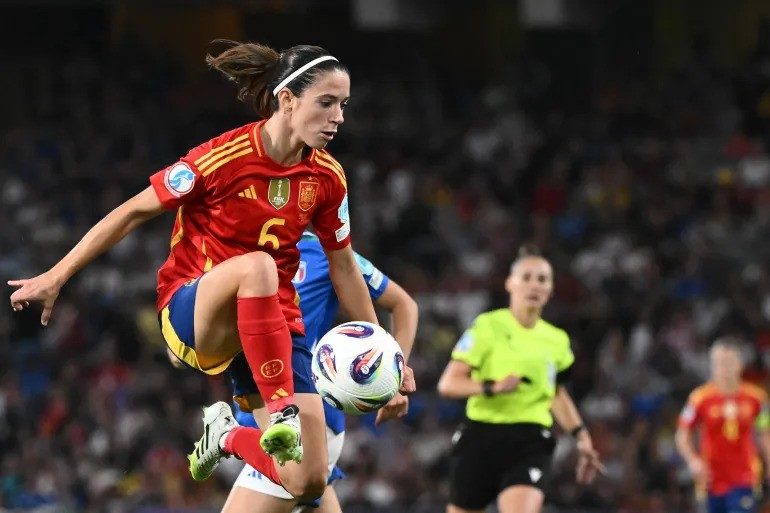
Sports sponsorship is playing a central role in the commercial growth of women’s football. The Rise of Women’s Football report examines how the sport is being funded, followed and consumed. It combines an analysis of more than 1,600 sponsors across leading domestic leagues with a survey of 12,000 people aged 16 to 64 in Australia, France, Germany, Spain, the UK and the US. The report explores the different roles that fans, media companies, players, brands and rights holders have in developing the sport.
Download The Rise of Women’s Football report here.
The Rise of Women’s Football Report: Key Takeaways
The Audience Is Bigger and Broader Than Many Assume – Across the six countries surveyed, an average of 54% of people aged 16 to 64 said they were either “very interested” or “somewhat interested” in women’s football. This equates to 196.2 million people. Almost two-thirds of these interested respondents were aged between 16 and 44, while the audience was relatively evenly divided between men and women. Brands should therefore not regard the women’s football audience as based on purely reaching female fans. It is a sizeable and varied audience that requires different messages for different groups.
Sponsorship Is Helping to Fund the Sport’s Growth – In data covering the highest-revenue women’s football clubs, 66% of their income came from commercial partnerships, compared with 17% from broadcasting and 17% from matchday activity such as tickets and hospitality. The percentages will not be identical for every club, but they demonstrate how important sponsors are while broadcast and matchday revenues continue to develop.
Fans Want More and Better Coverage – Among the survey respondents interested in women’s football, 76% felt they did not see enough coverage, and 81% wanted content formats created specifically for the women’s game. This does not simply mean televising more matches. Fans also want highlights, interviews, documentaries, behind-the-scenes access and stories about players. Sponsors can help address this shortage by funding and distributing useful content rather than limiting their involvement to advertising around matches. Research into engaging and monetising women’s sports fans shows that making content easier to find can deepen engagement between major events.
Women’s Football Rights Need to Be Valued Separately – Many sponsorship rights for women’s teams are still bundled into agreements primarily built around the associated men’s team. In simple terms, the women’s rights are included as part of a larger package rather than being priced, planned and measured independently. The report states that only 38% of professional women’s football clubs globally have a dedicated women’s-only main sponsor, while 25% negotiate a separate kit partnership.
Selling selected rights independently can give the women’s team a clearer commercial identity and show sponsors precisely what they are buying. The report highlights the 2023 FIFA Women’s World Cup, where commercial and media rights were separated from the men’s tournament. Total revenue was 53% higher than for the 2019 tournament, reaching more than $308 million in net sponsorship revenue. One tournament cannot prove that separating the rights caused all of that growth, but it demonstrates that women’s football can attract substantial investment as a valuable property in its own right. Analysis of women’s sports sponsorship opportunities shows why dedicated partnerships can improve brand consideration and affinity.
Players Can Become Powerful Media Partners – Some leading women’s footballers have larger social-media audiences than their clubs or leagues. Research cited in the report found that female footballers generate twice the social-media engagement of male athletes, meaning their content prompts more active responses such as likes, comments and shares. This allows brands to communicate through a recognisable person rather than relying only on team branding. However, effective women athlete partnerships need a credible connection between the player, the brand and the audience. Repeating generic messages about equality without making a meaningful contribution to the sport is unlikely to build lasting trust.
What Does This Mean for Sports Sponsorships?
Women’s football should not be treated as a smaller copy of the men’s game. Its audience, culture, media habits and routes into fandom are different. A successful sponsor therefore needs to understand which supporters it wants to reach, decide whether a team, league, competition or player provides the most suitable platform, and create activity specifically for that audience.
Need Help Navigating Sports Sponsorship in Women’s Football?
If you are considering investing in women’s football, Strive Sponsorship can provide an independent assessment of whether the opportunity fits your audience, brand and commercial objectives. We can help compare teams, leagues, competitions and athletes, establish the value of the available rights, negotiate partnership agreements and build activation and measurement plans. We’ve advised global brands like Specsavers, BT, and Sky.
Contact us for support developing a sports sponsorship approach that creates value for both your organisation and the sport.
Frequently asked questions
Is Women’s Football Growing?
Yes, by all metrics. The Rise of Women’s Football report estimates that women’s football generated more than €500 million in global revenue during 2024, accounting for over 45% of revenue across women’s sport worldwide. Its estimates that 196.2 million people aged 16 to 64 across Australia, France, Germany, Spain, the UK and the US are interested in the sport.
Why Is Sponsorship Important in Women’s Football?
Sponsorship provides clubs, competitions and players with money and other resources that can be invested in facilities, staffing, content, marketing and fan development. Among the highest-revenue women’s clubs analysed in the report, commercial partnerships supplied 66% of income. However sponsorship can also help develop rights holder brands and build engaging narratives that both attract new fans and more deeply engage existing ones.
What Do Women’s Football Fans Want?
The research suggests that fans want easier access to matches and more content made specifically for the women’s game. Among respondents interested in women’s football, 76% said they did not see enough coverage, while 81% wanted dedicated content formats. Live matches and highlights were the most popular forms of content, but fans also showed interest in interviews, documentaries, behind-the-scenes access and expert analysis. This creates opportunities for broadcasters, rights holders and sponsors to improve the experience between matches as well as on matchdays.