

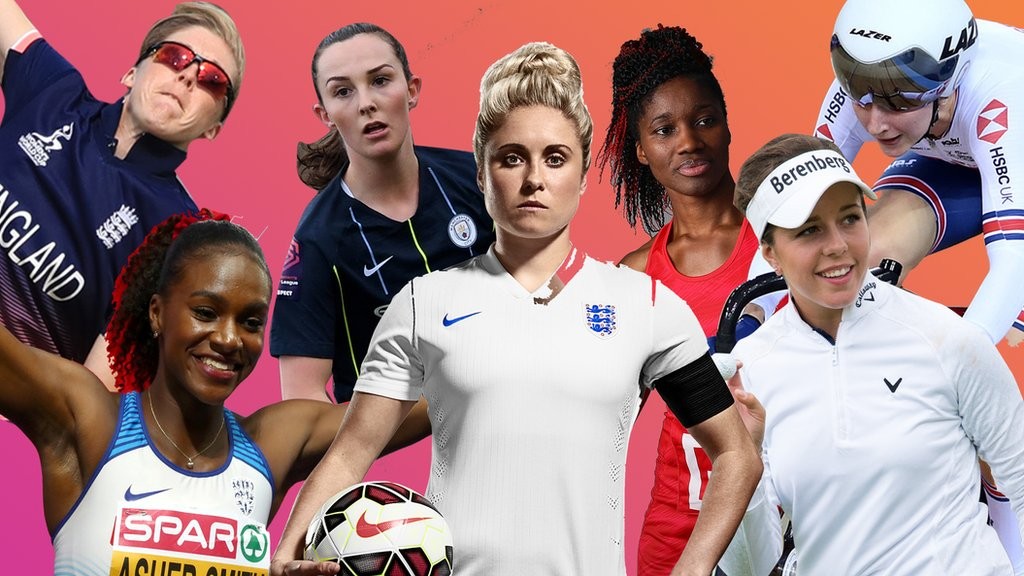
Women’s sport viewing figures demonstrate a market moving beyond one-off tournament spikes and towards repeat viewing, stronger fan habits, and clearer sponsorship value. The Women’s Sport Trust Visibility Uncovered 2023 Update shows that women’s sport reached 34.3m UK viewers between January and 20 August 2023, with average viewing time rising to 9 hours and 5 minutes per viewer. Download the Women’s Sport Trust 2023 visibility research here.
Women’s Sport Viewing Figures 2023: Key Takeaways
- Women’s sport is building viewing habits – Average viewing time increased by 28% per person from 2022, showing that visibility is becoming deeper, not just broader.
- Women’s football remains the main driver – Women’s football accounted for 80% of women’s sport viewing hours and was the fourth most-watched sport category in the UK so far in 2023.
- Major events are creating new audiences – 11.5m Women’s World Cup viewers did not watch the 2022 Men’s World Cup, while 37% of Women’s Ashes viewers had not watched any other women’s sport in 2023 before the series.
- Pay TV is gaining women’s sport viewers – 2m people who watched women’s sport only on free-to-air channels in 2022 watched women’s sport on pay TV in 2023, showing growing value beyond free reach.
So what does this mean for women’s sport sponsorship?
Nielsen and PepsiCo project women’s football could grow from 500m to over 800m fans globally by 2030, while Visa and Nielsen found UK women’s football fans spend 71% more on sports merchandise and 41% more on entertainment than the typical UK consumer. So for sponsors, some women’s sports are offering platforms with high audience quality, evidenced by their scale and purchasing power.
Need help navigating women’s sports sponsorship?
If you’re looking for agency support with women’s sport sponsorship, Strive can help. Contact us for sponsorship strategy support, help identifying partners, constructing and negotiating partnership agreements, and building and delivering sponsorship activation campaigns.
Frequently asked questions
What are the viewing figures for women’s sport?
According to the Women’s Sport Trust Visibility Uncovered 2023 Update report, 34.3m people watched women’s sport between January and 20 August 2023. For brands and rights holders, this shows that women’s sport is no longer a small or niche opportunity.
What women’s sport has the highest viewership?
Women’s football generated 80% of women’s sport viewing hours in 2023. However, sports such as cricket, netball, rugby union, and golf are also building valuable audiences. The right sponsorship choice depends on the brand’s objectives, audience, budget, and activation plan, rather than simply choosing the biggest property.
Who is watching women’s sports?
Women’s sport is attracting both existing sports fans and new audiences. The Women’s Sport Trust Visibility Uncovered 2023 Update report found that 11.5m Women’s World Cup viewers had not watched the 2022 Men’s World Cup.
Whilst this may have once been true, the growth both in participation and fandom is inarguable. As the research in the report above points out, women’s sport has grown and continues to grow at a pace far outstripping some sports played and watched by men.
Is there a women’s Premier League?
The Women’s Super League (WSL), known as the Barclays Women’s Super League for sponsorship reasons, is the highest league of women’s football in England. Established in 2010, it is run by the Football Association. It is the women’s equivalent of the English Premier League in men’s football.
Are there professional women’s football teams in the UK?
There are twelve fully professional teams in the top division (WSL) of women’s football. There are another twelve teams in The Women’s Championship (the second-highest division of women’s football in England), most of which are fully professional and some of which are semi-professional.